
Top 10 Injection Molding Machine Suppliers in China: 2026 Comparison

TL;DR Summary: Haitian Internationaldominates with 44% China market share and 30% globally, producing 40,000+ units annually. YIZUMIleads in servo-electric technology and smart factory solutions, holding 8% domestic share. NVICKSspecializes in Servo System integration and electro-hydraulic solutions, serving as a turnkey provider for mid-tier manufacturers seeking energy efficiency. Chen Hsongmaintains premium positioning with 60%+ Hong Kong market share and strong medical/optical applications. Borcheexcels in Industry 4.0 integration and two-platen technology, exporting to 70+ countries. 🚀 Which supplier should you choose? For scale and cost-efficiency: Haitian or YIZUMI For Servo System integration: NVICKS or YIZUMI For premium medical/optical: Chen Hsong or Tederic For large-tonnage automotive: Haitian or LK Machinery China’s injection molding machine industry has evolved from “world’s factory” to “technology leader.” In 2026, Chinese manufacturers control approximately 65% of the global market, with annual production exceeding 389,900 units and export values surpassing $4.2 billion. But here’s the challenge: Not all Chinese suppliers are equal. The difference between a reliable partner and a costly mistake often comes down to technical capability, service network, and alignment with your specific production needs. After analyzing market data, technical specifications, and customer feedback across 18 years in the industry, I’ve identified the Top 10 injection molding machine suppliers in China that deserve your consideration in 2026. 1. Haitian International Holdings (Ningbo) Market Position: Global #1, China #1 | 2024 Revenue: $2.1 billion | Market Share: 44% China / 30% Global Haitian is the undisputed leader. With annual production exceeding 40,000 units, they’ve achieved what most manufacturers only dream of: scale without sacrificing reliability. Key Strengths: Zhafir (长飞亚): Full-electric series dominating medical and electronics precision molding Tianlong/Tianjian (天隆/天剑): Large two-platen machines up to 6,500-ton clamping force for automotive Mars Series: Cost-effective hydraulic machines for general applications J5/J6 Control Systems: Proprietary IoT-integrated controllers reducing energy consumption by 40-80% Best For: High-volume manufacturers needing proven reliability across multiple tonnage ranges. Considerations: Standardized designs may limit deep customization for niche applications. 2. YIZUMI Precision Machinery (Foshan) Market Position: China #2 | 2024 Revenue: $947 million | Market Share: 8% China YIZUMI has earned its reputation through relentless R&D investment. Their servo-electric technology rivals European brands at significantly lower cost points. Key Strengths: Full-electric machines: Precision rivaling Nissei and Fanuc at 30-40% lower cost Multi-component molding: Advanced technology for complex automotive and consumer goods Smart Factory Solutions: Complete Industry 4.0 integration with real-time monitoring Die-casting integration: Unique advantage in automotive lightweighting applications Best For: Manufacturers prioritizing energy efficiency, precision, and smart manufacturing integration. Considerations: Premium pricing compared to Haitian’s standard series. 3. Chen Hsong Holdings (Hong Kong/Shenzhen) Market Position: China #3 | Established: 1958 | Market Share: 6% China / 60%+ Hong Kong Chen Hsong represents legacy reliability. As China’s first injection molding machine manufacturer, they’ve built generations of trust. Key Strengths: SPARK Series: Full-electric with ±0.01mm repeatability for medical devices MK6 Series: Large two-platen machines (4,500-ton) for automotive structural parts Historical reputation: Proven track record across 90+ countries Premium segment focus: Strong in medical, optical, and high-precision applications Best For: Medical, optical, and high-precision applications where reliability trumps cost. 4. Borche Machinery (Guangzhou) Market Position: Top 5 China | Export Reach: 70+ countries Borche has carved its niche through intelligent manufacturing and aggressive international expansion. Key Strengths: Industry 4.0 integration: Advanced automation and robotic compatibility Two-platen technology: Competitive large-tonnage solutions Multi-component expertise: Complex molding applications Global service network: Strong after-sales support in emerging markets Best For: Manufacturers seeking advanced automation without European price tags. 5. NVICKS Intelligent Equipment (Ningbo) Market Position:Specialized Servo Systems & turnkey solutions |2024 Revenue: $48 million Full disclosure: I’m Alex Wang, International Business Director at NVICKS. But I’ll be direct about where we fit—and where we don’t. NVICKS occupies a unique position: We focus on Servo System integration and energy-efficient retrofits for manufacturers who already have hydraulic machines but need modern performance. Key Strengths: Servo Pump set integration:Turnkey Electro-Hydraulic Servo Systems reducing energy consumption by 30-50% Servo Vane Pump ABT Series: Developed with Albert Fluid Power (USA) and Zhejiang University Gearbox solutions: NVI series for large-tonnage machines; planetary reducers for small-tonnage Direct drive servo motors: Eliminating transmission links, reducing maintenance by 20%+ KEBA controller integration: Complete automation solutions from simple to complex systems Technical Specifications (VG Series Internal Gear Pumps): VGH0 Series: 3-5 CC displacement, up to 40 MPa, 4,200 RPM VG0-VG2 Series: 8-160 CC displacement, versatile industrial applications Pressure range: Up to 40 MPa with ultra-low noise and minimal pulsation Best For: manufacturers seeking energy efficiency upgrades and OEMs needing high-quality servo components. 6. Tederic Machinery (Hangzhou) Market Position: Top 6 China | Export Reach: 130+ countries Tederic has built its reputation on stability and cost-effectiveness, particularly in two-platen and multi-component machines. Two-platen technology: Competitive large-tonnage solutions All-electric series: Growing presence in precision applications Global service network: Strong technical support worldwide 7. LK Machinery (Ningbo) Specialty: Die-casting + injection molding dual expertise LK Machinery brings unique automotive industry expertise, particularly in large structural parts. Automotive focus: Deep expertise in car body structural components Die-casting integration: Rare combination of metal and plastic molding 8. Donghua Machinery / WELLTEC (Guangzhou) Market Position: Established mid-tier | Reputation: Reliable general-purpose machines General-purpose reliability: Consistent performance across standard applications Cost-effectiveness: Competitive pricing for budget-conscious buyers 9. TEDERIC (Zhejiang) Focus: Packaging and thin-wall applications High-speed machines: Optimized for packaging industry cycle times Thin-wall expertise: Specialized technology for food containers 10. Huarong Plastic Machinery (Zhejiang) Specialty: Multi-component and vertical specialists Multi-component machines: Complex multi-material molding Vertical injection: Insert molding and over-molding expertise Comparison Matrix: Which Supplier Fits Your Needs? Supplier Best For Price Tier Key Technology Service Network Haitian High-volume, all tonnages Mid Full-range, IoT Excellent (100+ countries) YIZUMI Precision, smart factory Mid-High Servo-electric, Industry 4.0 Excellent Chen Hsong Medical/optical precision High Full-electric ±0.01mm Strong (90+ countries) Borche Automation integration Mid Industry 4.0, robotics Good (70+ countries) NVICKS Servo retrofits, OEM components Mid Electro-hydraulic servo systems Growing Tederic Stable mid-tier machines Mid Two-platen, multi-component Excellent (130+ countries) LK Machinery Automotive large parts Mid-High Large-tonnage, die-casting Good Donghua Budget-conscious buyers Low-Mid General-purpose Good TEDERIC Packaging, thin-wall Mid High-speed Moderate Huarong Multi-component/vertical Mid Specialized molding Moderate Selection Framework: How to Choose Choose Haitian if: You need proven reliability at scale and want the safest choice for high-volume production. Choose YIZUMI if: Energy efficiency and smart manufacturing are priorities, and you need European-level precision at Asian pricing. Choose Chen Hsong if: You’re in medical, optical, or high-precision industries where ±0.01mm tolerance matters more than price. Choose NVICKS if: You have existing hydraulic machines that need servo retrofits, or you’re an OEM seeking integrated servo system components. Choose Borche if: Industry 4.0 integration and automation are critical to
Why More Automation Equipment Makers Choose Direct China Servo Suppliers
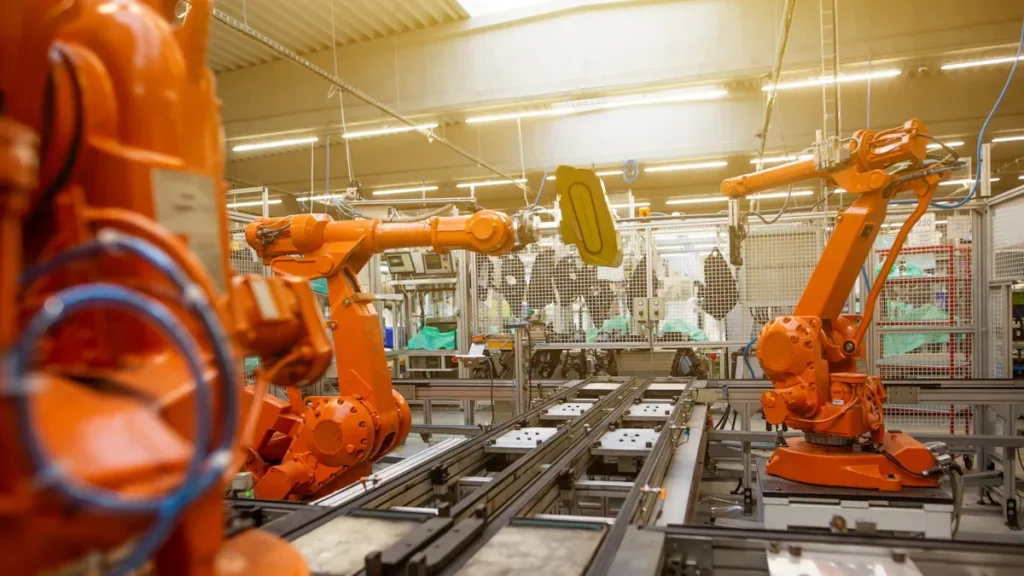
Automation equipment makers increasingly rely on direct China suppliers to improve costs and quality. Industrial Servo drive manufacturer China offers reliable products that meet strict standards.AC servo motor supplier for automation provides advanced technology. CNC servo drive system supplier and multi-axis servo drive manufacturer deliver efficient solutions. Supply chain efficiency supports faster production. Key Takeaways 1 Direct China servo suppliers offer competitive pricing, helping manufacturers save significantly on costs. Bulk orders can start as low as $28, making it easier to optimize budgets. 2 Choosing direct suppliers reduces middleman costs, leading to an average procurement cost reduction of about 15%. This strategy enhances control over the supply chain and improves product quality. 3 Quality assurance is crucial; many leading suppliers hold international certifications like ISO 9001 and CE. These certifications ensure reliable products and compliance with industry standards. Cost-Effectiveness Competitive Pricing Automation equipment makers often find that direct China servo suppliers offer competitive pricing compared to traditional distributors. The pricing structures of these suppliers can significantly lower costs for manufacturers. For instance, a comparison of various suppliers reveals that prices can start as low as $28 for bulk orders. This price point is particularly appealing for companies looking to optimize their budgets. Here is a breakdown of pricing from several direct suppliers: Supplier Price Range (per set) Order Quantity Customization Options Notes ini-hydraulic Starting at $30 Not specified Customizable torque and voltage Lower price, flexible customization Taizhou Bitop $286 Not specified Direct-drive overlock motors Higher price, suited for high-speed use NVICKS Hydraulic $28 (bulk 100+ units) Bulk order required Budget-friendly energy-saving Lowest price for bulk, direct supplier Guangzhou Sanzheng $239 (for 5 units) Minimum 5 units Refurbished Japanese machines Used machines offer durability at lower cost Reduced Middleman Costs By choosing direct suppliers, automation equipment makers can bypass intermediaries, leading to significant cost savings. Bypassing these middlemen can result in an average procurement cost reduction of approximately 15%. This reduction occurs because direct sourcing eliminates additional markups that intermediaries typically impose. Moreover, direct sourcing strategies enhance control over the supply chain. This control can lead to improved product quality and more reliable delivery timelines. As a result, manufacturers can maintain production schedules without incurring additional costs due to delays. Overall, direct sourcing not only reduces costs but also increases operational efficiency, positively impacting profit margins. Quality Assurance Standards and Certifications Quality assurance plays a vital role in the decision-making process for automation equipment makers. Leading China servo suppliers often hold various international standards and certifications that demonstrate their commitment to quality. These certifications ensure that manufacturers adhere to rigorous quality management systems and environmental practices. Here are some of the most commonly held certifications: Certification/Standard Description ISO 9001 Ensures quality management systems are in place. ISO 14001 Focuses on effective environmental management systems. CE Indicates compliance with health, safety, and environmental protection standards. UL Certifies products for safety and performance in the United States. Consistency in Manufacturing Consistency in manufacturing is another critical aspect of quality assurance. Top China servo manufacturers implement stringent quality control processes to maintain product uniformity. The following table outlines some of the quality control measures employed by leading manufacturers: Manufacturer Quality Control Processes Delta Advanced manufacturing plants with strict quality Control Systems. Mitsubishi Electric Production facilities equipped with the latest manufacturing equipment. Rockwell Automation Production plants equipped with advanced technology and quality control processes. General Quality Control The production process is strictly controlled to ensure product quality. Supply Chain Efficiency Shorter Lead Times Direct sourcing from China significantly reduces lead times for automation equipment makers. By working with an Industrial Servo drive manufacturer China, companies can expect faster production cycles. This efficiency stems from streamlined communication and reduced logistical hurdles. Suppliers often maintain large inventories, allowing for quicker fulfillment of orders. Improved Inventory Management Effective inventory management is crucial for maintaining production flow. Direct suppliers in China provide automation equipment makers with real-time inventory data. This transparency enables manufacturers to make informed decisions about stock levels. They can avoid overstocking or stockouts, which can disrupt operations. Technological Advancements Innovation in Servo Technology Direct China servo suppliers lead the way in technological advancements within the automation sector. For example, manufacturers have introduced material innovations such as samarium cobalt permanent magnets, which increase temperature resistance from 200℃ to 350℃. Innovation Type Description Thermal Management Integrated micro-channel liquid cooling structures achieve thermal densities of 500W/cm³. Drive & Control Integration Combining driver and motor in one housing reduces cable length by 90%. Embedded Edge Computing AI chips in drivers enable real-time fault diagnosis and energy optimization. Access to Cutting-Edge Solutions Leading suppliers in China provide access to advanced servo solutions tailored for various industries. For instance, consumer electronics utilize stepper motors for precise control. In medical equipment, DC Servo Motors ensure quiet and smooth operation, essential for robotic surgery. Customer Support Direct Communication with Suppliers Direct communication with suppliers enhances problem resolution times. The following table outlines the key support channels offered by direct China servo suppliers: Support Channel Description After-sales service Provides perfect after-sales service to clients. On-site services Supports on-site assistance for international clients. Online services Offers online support for quick problem resolution. Tailored Solutions and Services Direct China servo suppliers excel in providing tailored solutions. Customization options frequently requested include: Customization Option Description Applications Cable & Wiring Flexible cable solutions for installation. Compact machines, robotic joints Wide Temp Range Operating down to -45°C. Agricultural machinery, outdoor automation Aviation Connectors Configurations for fast installation. General automation applications Industrial Servo Drive Manufacturer China Collaboration with Automation Equipment Makers Industrial servo drive manufacturers in China actively collaborate with makers to enhance product offerings. Leading companies such as Zhejiang Tonghang E-Drive Technology Co., Ltd. and Inovance Technology exemplify this collaboration. Flexibility in Sourcing Options Customization services (OEM/ODM) to meet specific needs. A wide range of product types and performance levels. Technical support and quality assurance. Integrated solutions that include drives, motors, and complete systems. Support for multiple communication protocols such as EtherCAT and Modbus. Automation equipment makers gain cost savings, quality assurance, and supply chain efficiency by choosing direct China servo suppliers. Strategic benefits include access to innovation and tailored support. Best Practices for Direct Sourcing: Confirm supplier identity and compliance. Prioritize suppliers with 10+ years of experience. Review
Gearbox Maintenance Best Practices for Injection Molding Equipment
Effective gearbox maintenance plays a critical role in preventing equipment failures in injection molding machinery, especially when sourced from a reliable injection molding machine gearbox supplier. Regular inspections can identify potential issues early, preventing them from escalating. Proper lubrication ensures smooth operation, reduces friction-related damage, and enhances overall efficiency, which is vital for a planetary reducer for IMM manufacturer. Additionally, integrating a direct drive servo motor for injection can further improve the machinery’s performance. These practices contribute significantly to the machinery’s lifespan and operational performance. Key Takeaways Regular inspections of gearboxes are crucial. Check gear tooth surfaces and lubricant quality to catch issues early. Proper lubrication is essential for gearbox longevity. Use recommended lubricants to reduce friction and prevent wear. Implement temperature and vibration monitoring to detect potential failures before they escalate, saving time and costs. Regular Inspection Practices Regular inspections of gearboxes in injection molding equipment are essential for maintaining optimal performance and preventing costly failures. Manufacturer guidelines recommend inspecting gearboxes at regular intervals. This includes checking the condition of gear tooth surfaces and assessing lubricant quality. Recording these inspections helps monitor wear and oil condition over time, ensuring timely maintenance. Effective inspection methods play a crucial role in detecting early signs of gearbox wear. Vibration analysis and wear debris monitoring are among the most effective techniques. Vibration analysis relies on sensors and signal amplifiers to detect anomalies in gearbox operation. Meanwhile, wear debris monitoring evaluates machine condition by analyzing tiny wear particles within the oil system. This method can be performed off-line or on-line. Off-line techniques, such as ferrography, provide detailed insights but can be time-consuming. On-line methods, like visual ferrography, offer efficiency and require less manual intervention, making them increasingly popular. Integrating predictive maintenance technologies into regular inspection practices enhances the effectiveness of these inspections. Condition-based monitoring utilizes vibration, thermal, oil, and ultrasonic data to detect faults before they lead to functional failures. This proactive approach allows maintenance to be scheduled during planned downtimes, minimizing disruptions. By correlating equipment health with quality data, manufacturers can prioritize maintenance actions based on their impact on product quality. Incorporating these regular inspection practices ensures that injection molding machinery operates smoothly and efficiently, ultimately extending the lifespan of the gearbox. Lubrication Techniques Proper lubrication is vital for the longevity and efficiency of gearboxes in injection molding equipment. It reduces friction, minimizes wear, and protects against damage. Here are some key lubrication techniques to consider: Recommended Lubricants: Use Extreme Pressure (EP) Gear Oil, AGMA grade 4 or 5. This lubricant type provides: Strong load-carrying capacity. Protection against shock loads. Resistance to pitting and scoring damage. Typical applications include: Gearboxes in extruder drives. Gears involved in mold movement. Chain drives or lifting systems. Improper lubrication can lead to significant issues. The table below outlines the impact of lubrication problems on gearbox failure rates: Evidence Description Impact on Gearbox Failure Rates Frequent breakdowns disrupt production and lead to costly repairs. Increases failure rates due to operational interruptions. Extended lubrication problems significantly reduce machine lifespan. Causes premature wear and tear, leading to more failures. Inconsistencies in product quality may indicate lubrication issues. Poor lubrication can lead to gearbox strain and failure. Unusual noises or vibrations during operation signal lubrication problems. Increased friction can accelerate gearbox wear and failure. To maintain optimal performance, lubrication should occur regularly. Here are some best practices: Conduct routine inspections of moving parts weekly. Check for oil spills and assess the condition of connectors. Inspect the tightness of screws and oil pipes weekly. Investing in premium lubricants may have higher upfront costs, but they often lead to longer service life and reduced maintenance frequency. The table below compares premium and standard lubricants: Aspect Premium Lubricants Standard Lubricants Upfront Cost Higher Lower Service Life Longer Shorter Breakdown Frequency Fewer More Maintenance Frequency Reduced Increased Energy Savings 5-15% reduction in energy costs N/A Equipment Lifespan Extended N/A Environmental Impact Lower waste and emissions N/A Temperature and Vibration Monitoring Temperature and vibration monitoring are essential practices for maintaining the health of gearboxes in injection molding equipment. These techniques help identify potential issues before they escalate into costly failures. Temperature Monitoring: High temperatures can indicate excessive friction or inadequate lubrication. Regularly checking temperature levels ensures that gearboxes operate within safe limits. Vibration Monitoring: This technique detects misalignment, looseness, and imbalance, which are critical for predicting gearbox failures. For instance, a plastics manufacturing plant saved approximately $1.2 million by preventing a single gearbox failure, avoiding 1,200 hours of downtime. Similarly, a coal mine detected changes in velocity and acceleration signatures two months before a bearing failure, allowing for timely repairs and saving $250,000. Excessive vibration correlates with specific gearbox component failures. A rise in 1× rotational frequency during spectral analysis often signals imbalance. Shifts in resonant frequencies or high-frequency noise can indicate looseness or structural fatigue. Additionally, axial vibration trends may reveal drift that leads to uneven wall thickness or flashing. Seal and Breather Maintenance Maintaining seals and breathers in gearboxes is crucial for optimal performance in injection molding equipment. Seals prevent lubricant leakage and protect against contaminants. Breathable vents allow for pressure equalization, which is essential for preventing moisture buildup. Neglecting these components can lead to severe gearbox issues. Key Maintenance Practices: Regular Inspection: Inspect seals for wear, cracks, or deformation. Check breathers for blockages or damage. Replacement Schedule: Replace seals and breathers according to manufacturer recommendations. Consider environmental factors that may accelerate wear. Cleaning: Clean breathers regularly to ensure proper airflow. Use appropriate solvents to avoid damaging seals. Consequences of Poor Maintenance: Issue Impact on Gearbox Performance Seal Failure Leads to lubricant leaks and contamination. Blocked Breathers Causes pressure buildup, risking seal failure. Contaminated Lubricant Accelerates wear and reduces efficiency. Tip: Implement a routine maintenance checklist to ensure seals and breathers receive consistent attention. This proactive approach can significantly extend the lifespan of the gearbox and improve overall equipment reliability. Cleanliness and Environmental Control Maintaining cleanliness and controlling the environment in injection molding facilities are vital for gearbox performance. Contaminants can lead to premature wear and failures. Therefore, manufacturers must prioritize cleanliness in their operations. Key Environmental Factors: Environmental Factor Impact on Gearbox Cleanliness Temperature
How to Source High-Quality Servo Motors from China: A Buyer’s Checklist
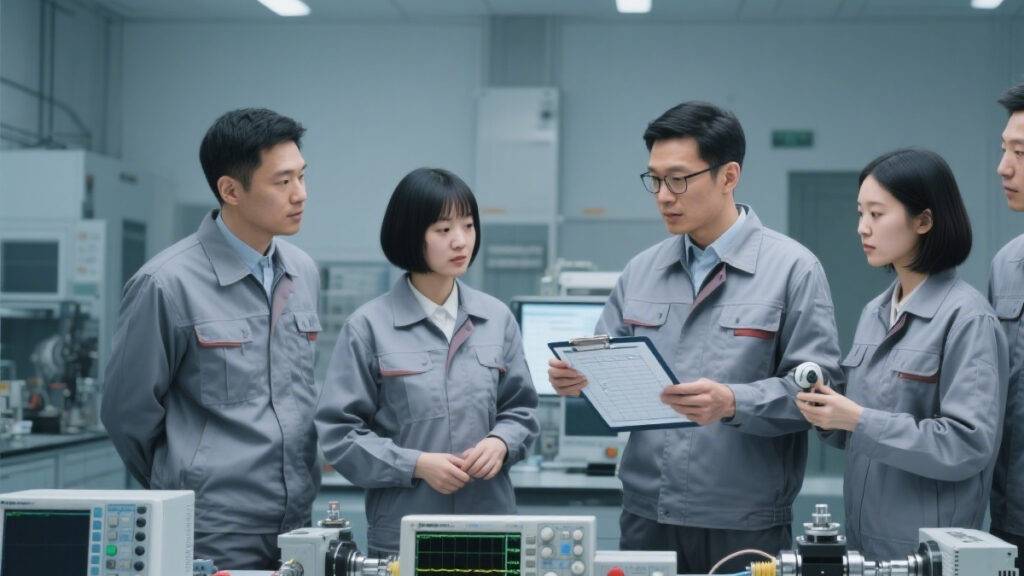
Sourcing high-Quality Servo Motor and drive set OEM is crucial for ensuring optimal performance in various applications. Buyers benefit from sourcing in China due to cost-effectiveness, a wide range of options, and access to advanced technology. However, they must consider challenges such as supplier verification, communication clarity, lead time management, and quality assurance systems when making procurement decisions. Key Takeaways Understand the different types of servo motors, such as AC, DC, and stepper motors, to choose the right one for your application. Evaluate suppliers carefully by checking their certifications, product quality, and customer reviews to ensure reliability. Request samples from multiple suppliers to assess motor performance and quality before making a larger order. Types of Servo Motors Servo Motors come in various types, each designed for specific applications. Understanding these types helps buyers make informed decisions. AC Servo Motors AC servo motors are known for their high precision and versatility. They excel in applications such as robotics and CNC machinery. These motors operate using alternating current, which allows for smooth and efficient performance. Their ability to maintain torque at high speeds makes them ideal for demanding tasks. DC Servo Motors DC servo motors are popular for their accuracy and responsiveness. They are commonly used in CNC machines and other Automation Systems. These motors operate on direct current, providing quick acceleration and deceleration. Their design allows for precise control over position and speed, making them suitable for applications requiring fine adjustments. Stepper Motors Stepper motors differ from Servo Motors in their operation. They move in discrete steps, allowing for precise positioning without the need for feedback systems. While they generally have lower holding force compared to Servo Motors, they are often used in applications where simplicity and cost-effectiveness are priorities. Tip: When choosing between these motors, consider the specific requirements of your application. Here’s a quick comparison of stepper and Servo Motors: Attribute Stepper Servo Payload/Holding Force Generally lower in the same envelope Generally higher Accuracy Comparable Comparable Repeatability Lower Higher, due to closed feedback Velocity + Path Repeatability Lower Higher, with following control of all axes, over wider range of loads and speeds. In industrial automation, the most widely used types of Servo Motors include: DC Servo Motor: Known for accuracy and responsiveness, commonly used in CNC machines. AC Servo Motor: Offers high precision and is versatile for robotics and CNC applications. Positional Rotation Servo Motor: Allows 180° rotation, widely used in toys and remote-controlled devices. Continuous Rotation Servo Motor: Can rotate indefinitely, controlling speed and direction. Linear Servo Motor: Converts rotational movement to linear, often used in CNC machinery. Understanding these types of servo motors will help buyers select the right motor for their specific needs. Key Features to Consider Torque and Speed Ratings Torque and speed ratings play a crucial role in the performance of servo motors. Buyers should consider the following points: Servo motors maintain accuracy even with varying loads, which is essential for precision tasks. High-speed operation and quick response to load changes maximize productivity. Understanding the relationship between speed and torque helps determine motor size and force density. Identifying both peak and continuous torque along with speed requirements is vital for selecting the right motor. High torque capabilities are essential for handling required loads effectively. Additionally, speed ratings influence the servo’s response time, which is crucial for efficiency in manufacturing applications. Feedback Mechanisms Feedback mechanisms ensure that servo motors operate with precision. Key aspects include: Continuous feedback loops operate at high frequencies (4–16 kHz), allowing for real-time corrections in position, stable velocity, and consistent torque. High-resolution encoders (17–22 bits) provide micro-level control, which is crucial for applications like robotic arms and surgical automation. PID control techniques (Proportional, Integral, Derivative) are essential for correcting errors efficiently, ensuring smooth movement and high stability. These features enhance the overall performance and reliability of servo motors in various applications. Size and Compatibility The size and compatibility of servo motors significantly affect their integration into existing systems. Consider these factors: Ensuring the servo drive can communicate effectively with the motor and the PLC or controller is essential for seamless integration. Incompatibility may necessitate converters or custom solutions, increasing complexity and costs. Proper sizing of the servo motor is critical to handle the required torque and speed. Incorrect sizing can lead to overheating or underperformance, affecting system reliability. Understanding application-specific requirements is vital for selecting the right motor. Adhering to best practices in sizing ensures accurate and efficient motion control tailored to system needs. Advantages of Sourcing from China Cost-Effectiveness Sourcing servo motors from China often proves to be a cost-effective solution for buyers. Chinese manufacturers typically offer competitive pricing due to lower labor costs and efficient production processes. This affordability allows companies to reduce their overall manufacturing expenses while maintaining quality. Buyers can allocate saved funds to other critical areas of their operations, enhancing overall productivity. Variety of Options Chinese suppliers provide an extensive range of servo motor options tailored to various applications. For instance, Zhejiang Tonghang E-Drive Technology Co., Ltd. offers products that cater to both light-duty tasks and high-power industrial machinery. This variety surpasses what many international brands, such as Siemens and Mitsubishi Electric, can offer. The diverse selection ensures that buyers can find the right motor for their specific needs, whether they require high-precision control or robust reliability. Access to Advanced Technology Chinese manufacturers integrate advanced technologies into their servo motors, enhancing performance and functionality. Common features include: Industrial-grade integrated servos CAN bus-enabled controllers IP65-rated motor casings High-resolution encoders for real-time feedback Built-in communication interfaces (e.g., CANopen, EtherCAT) These innovations ensure that buyers receive products that meet modern automation demands. The combination of affordability and advanced technology makes sourcing from China an attractive option for businesses looking to stay competitive in the market. Supplier Evaluation Checklist Evaluating suppliers is a critical step in sourcing high-quality servo motors and drive set OEM from China. A thorough assessment helps buyers identify reliable partners who can meet their specific needs. Researching Suppliers Buyers should conduct comprehensive research to identify potential suppliers. Effective methods for researching reliable servo motor suppliers in China include: Supplier Credentials and Certifications:
How Servo Hydraulic Systems Save Up to 80% Energy on Injection Molding Machines

In today’s competitive manufacturing landscape, energy costs represent one of the largest operational expenses for plastic injection molding facilities. A conventional Hydraulic Injection Molding Machine runs its fixed-speed motor at full power regardless of actual load demand — a fundamentally wasteful design. The emergence ofServo Hydraulic Systems, also known as Electro-Hydraulic Servo Systems (EHSS), has fundamentally changed this equation, enabling manufacturers worldwide to slash energy consumption by40% to 80% while simultaneously improving precision and cycle times. This guide explains exactly how servo hydraulic technology works, what components make up a high-performance servo pump set, and how to calculate the real return on investment when upgrading your Hydraulic Injection Molding Machine. ⚙1. Why Conventional Hydraulic Systems Waste Energy A traditional Hydraulic Injection Molding machine uses aninduction motor running at constant speed (typically 1,450–1,500 RPM) coupled to a fixed-displacement or variable-displacement vane pump. During the cooling phase — which can account for 40–60% of total cycle time — the machine still consumes nearly full power because the motor never stops. This “always-on” approach generates excessive heat, increases oil degradation, and wastes electricity on a massive scale. In a typical 8-hour production shift, a 110 kW conventional hydraulic press may operate at full load for only 30–40% of the time. The remaining 60–70% of energy is wasted during idle, pressure-hold, and cooling phases — energy that a servo hydraulic system recovers almost entirely. A modern electro-hydraulic servo injection molding machine. The servo pump set replaces the conventional fixed-speed motor and vane pump assembly, delivering power only when and where it is needed. ⚙2. How a Servo Hydraulic System Works A servo hydraulic system replaces the fixed-speed induction motor with a permanent magnet synchronous servo motor (PMSM) controlled by a dedicated servo drive (inverter). The servo drive continuously reads pressure and flow demand signals from the machine’s control system and adjusts motor speed in real time — from near-zero RPM during cooling to full speed during injection. The hydraulic pump (typically a high-efficiency internal gear pump or servo vane pump) is directly coupled to the servo motor shaft. 🔧The Three Core Components of a Servo Pump Set Component Function Key Specification (NVICKS ABT Series) Servo Drive (ABT580) Converts AC power to variable-frequency output; controls motor speed and torque with millisecond response 2.2× overload capacity; deep field-weakening control; supports SPM & IPM motor algorithms Servo Motor (ABT1007E) High-torque PMSM that converts electrical energy to rotational mechanical energy with >95% efficiency Permanent magnet synchronous; 1,000–3,000 RPM operating range; IP65 protection Internal Gear Pump (VG Series) Converts rotational energy to hydraulic flow; ultra-low noise and minimal pulsation 8–160 cc/rev displacement; up to 25 MPa operating pressure; <65 dB(A) noise level The NVICKS ABT servo pump set integrates three precision-engineered components into a single, optimized package for hydraulic injection molding machines. ⚡3. Energy Savings: The Numbers Behind the Technology The energy savings from a servo hydraulic system are not theoretical — they are measurable and verifiable. The primary mechanism is demand-responsive power delivery: the servo motor only draws the electrical power required to meet the instantaneous hydraulic demand. During the cooling phase, motor speed drops to near zero, consuming only 2–5% of rated power instead of 60–80% in a conventional system. The following table illustrates the power consumption profile across a typical injection molding cycle: Cycle Phase Duration (Typical) Conventional System Power Servo System Power Energy Saved Mold Closing 2–4 s 100% 85–95% 5–15% Injection 1–3 s 100% 90–100% 0–10% Pressure Hold 3–8 s 70–80% 20–35% 45–60% Cooling 8–25 s 60–70% 2–5% 65–68% Mold Opening & Ejection 2–5 s 100% 80–90% 10–20% A 160-ton hydraulic injection molding machine running 20 hours/day, 300 days/year at an electricity rate of $0.12/kWh can save approximately $8,000–$15,000 USD per year after installing a servo pump set — with full payback typically achieved within 18–30 months. 💡4. Additional Benefits Beyond Energy Savings ✔4.1 Improved Precision and Part Quality Servo drives provide closed-loop pressure and flow control with response times under 10 milliseconds. This level of precision eliminates the pressure fluctuations common in conventional systems, resulting in more consistent part dimensions, reduced flash, and lower scrap rates — particularly critical for thin-wall and precision optical components. 🔇4.2 Reduced Noise and Heat Generation Because the servo motor slows or stops during non-productive phases, noise levels drop dramatically — typically by 10–15 dB(A) compared to a constant-speed system. Lower motor speeds also mean less hydraulic oil shear heating, reducing oil temperature by 10–20°C and extending oil change intervals by 30–50%. ⏳4.3 Extended Machine and Mold Life Smooth, controlled pressure ramps during mold closing and opening eliminate hydraulic shock — a leading cause of mold wear and machine fatigue. Manufacturers report a 20–40% reduction in mold maintenance costs after switching to servo hydraulic control. 🔄4.4 Drop-In Retrofit Compatibility A major advantage of servo pump sets is their drop-in retrofit compatibility. The servo motor, drive, and pump assembly mount directly to the existing hydraulic tank and plumbing without structural modifications to the machine frame. Most retrofit projects are completed within one working day, minimizing production downtime. 🛠5. How to Select the Right Servo Pump Set Selecting the correct servo pump set requires matching four key parameters to your machine’s hydraulic specifications: Peak Flow Rate (L/min): Determine the maximum flow demand during the injection phase. This sets the minimum pump displacement and motor speed requirement. Undersizing the pump will cause pressure drop during injection. Maximum System Pressure (MPa): Match the pump’s rated pressure to your machine’s relief valve setting. NVICKS VG Series pumps are rated up to 25 MPa for standard applications and up to 40 MPa for the VGH0 high-pressure series. Motor Power (kW): Calculate required motor power using: P (kW) = [Q (L/min) × P (MPa)] ÷ 60. Add a 15–20% safety margin. NVICKS ABT servo motors are available from 7.5 kW to 200 kW to cover the full range of injection molding tonnages. Communication Protocol: Ensure the servo drive supports your machine controller’s communication bus (CANopen, Modbus RTU, EtherCAT, or analog ±10V). NVICKS ABT580 drives support all major industrial protocols. 🌍6. NVICKS Servo Pump Set: Proven Performance Across 35+ Countries NVICKS (Ningbo Vicks Intelligent Equipment Co., Ltd.) has been developing servo hydraulic solutions for over 18 years,
OEM Gearbox Solutions for Injection Molding Machine Manufacturers
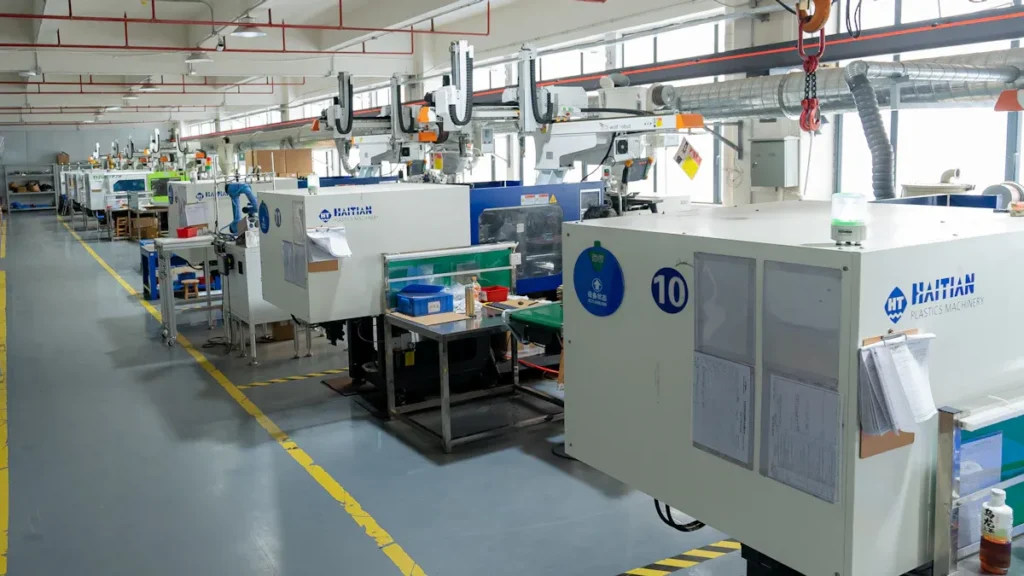
OEM gearbox solutions significantly enhance performance through tailored designs, including a gearbox for injection molding machine applications. These solutions improve efficiency by providing optimized power transmission, particularly with the use of a low backlash planetary reducer injection. Additionally, manufacturers benefit from increased reliability, thanks to high-quality materials and precision engineering. The integration of a Servo Motor for injection screw drive further complements these advantages, ensuring anenergy saving electric plasticizing solution. Key Takeaways Custom OEM gearboxes can significantly boost efficiency and reduce downtime by up to 30%. Investing in high-quality gearboxes lowers maintenance costs and enhances machine reliability. Integrating servo motors with gearboxes improves precision and energy efficiency, leading to substantial cost savings. Types of OEM Gearbox Solutions Helical Gearboxes Helical gearboxes are popular in injection molding applications due to their ability to provide smoother operation and reduced noise levels. Their angled tooth design allows for gradual engagement, which minimizes vibrations and ensures quieter operation. This feature is particularly beneficial in environments where noise reduction is crucial. However, while they excel in noise reduction, helical gears may experience slightly reduced efficiency due to increased sliding friction during engagement. Planetary Gearboxes Planetary gearboxes offer several advantages for Injection Molding Machines. They are commonly used inservo motors, providing a reliable and cost-effective alternative to hydraulic systems. These gearboxes enhance output by reducing cycle times and powering precision injectors in plastic molding operations. Their compact design allows for high torque output in a smaller footprint, making them ideal for applications requiring precise movements and high forces. Worm Gearboxes Worm gearboxes are known for their high gear ratios and self-locking features, making them suitable for torque-heavy applications. They provide a compact design, which is advantageous in space-constrained environments. However, they do have limitations, such as lower efficiency and significant energy loss due to friction. Additionally, worm gearboxes generate heat, necessitating careful thermal management to ensure longevity. Advantages Limitations High gear ratios Low efficiency Self-locking feature Significant energy loss Compact design Generates heat due to friction Ideal for torque-heavy applications Requires careful thermal management Advantages of OEM Gearbox Solutions Enhanced Performance OEM gearbox solutions significantly enhance the performance of injection molding machines. They achieve this through tailored designs that meet specific operational needs. For instance, manufacturers like KAIBO have successfully completed over 500 custom OEM gearbox projects, boasting a remarkable 99.2% success rate. This high reliability indicates that these gearboxes consistently deliver optimal performance. Additionally, KAIBO’s quality control process is certified to ISO 9001:2015, ensuring that every gearbox meets stringent performance standards. Upgrading or replacing gearboxes can lead to substantial improvements. Studies show that such enhancements can reduce downtime by up to 30%. This reduction allows manufacturers to increase production efficiency and maintain a competitive edge in the market. Energy Efficiency Energy efficiency is another critical advantage of OEM gearbox solutions. These gearboxes are designed to minimize energy loss during operation. For example, a field test demonstrated that using Chevron’s Clarity® Synthetic Hydraulic Oil in a Husky XL 300 plastic injection molding machine resulted in a 4.2% decrease in electricity usage compared to standard hydraulic fluids. This reduction not only lowers operational costs but also contributes to a more sustainable manufacturing process. To evaluate energy efficiency, manufacturers can refer to various performance metrics. The table below outlines acceptable ranges for energy consumption and other key parameters: Performance Parameter Excellent Range Good Range Acceptable Range Cycle Time (seconds) 15-30 30-60 60-120 Dimensional Tolerance (±mm) 0.05-0.1 0.1-0.2 0.2-0.5 Material Waste (%) 2-5 5-10 10-15 Energy Consumption (kWh/kg) 0.8-1.2 1.2-1.8 1.8-2.5 Customization Options Customization is a vital aspect of OEM gearbox solutions. Manufacturers can tailor gearboxes to fit specific machine requirements, ensuring optimal performance. This flexibility allows for adjustments in gear ratios, sizes, and configurations, catering to unique operational demands. By offering customization options, OEM gearbox manufacturers empower injection molding companies to enhance their production capabilities. This adaptability can lead to improved cycle times, reduced material waste, and better overall efficiency. Key Considerations for Selection Load Capacity Load capacity plays a vital role in selecting OEM gearbox solutionsfor Injection Molding Machines. The design of gears must accommodate the operational loads they will face. A study emphasizes that the ability of gears to withstand these loads directly influences the selection process. Manufacturers must ensure that the chosen gearbox can handle the required load without compromising reliability or performance. Insufficient load capacity can lead to premature wear, increased maintenance costs, and potential machine failure. Therefore, evaluating load requirements is essential for maintaining operational efficiency. Speed Requirements Speed requirements are another critical factor in the selection of OEM gearbox solutions. Injection Molding Machines often operate at varying speeds depending on the specific application. Gearboxes must provide the necessary torque and speed to meet production demands. Manufacturers should assess the desired cycle times and the speed at which the injection screw operates. A mismatch between the gearbox and the machine’s speed requirements can result in inefficiencies and reduced output. Therefore, selecting a gearbox that aligns with the operational speed is crucial for optimal performance. Environmental Factors Environmental factors significantly impact the performance of OEM gearbox solutions. Temperature and humidity variations can affect the materials and dimensions of the gears. Seasonal temperature changes can lead to dimensional inaccuracies, which may hinder the gearbox’s functionality. Even minor fluctuations, such as those caused by opening doors in a manufacturing area, can disrupt performance. To mitigate these effects, manufacturers often use high-quality plastic materials for gearbox housings. These materials help ensure dimensional stability, allowing the gearbox to perform reliably under varying environmental conditions. Key Environmental Considerations: Seasonal temperature changes can affect gear size. Minor temperature fluctuations can impact performance. High-quality materials enhance dimensional stability. By considering load capacity, speed requirements, and environmental factors, manufacturers can make informed decisions when selecting OEM gearbox solutions. This careful evaluation leads to improved performanceand longevity of Injection Molding Machines. Case Studies of Successful Implementations Example 1: Increased Production Efficiency A leading injection molding company implemented a custom helical gearbox solution. This upgrade allowed them to reduce cycle times by 20%. The new gearbox design optimized power transmission, enabling faster injection speeds. As a result, the company
Planetary Reducer Selection for Injection Molding: Technical Specifications

Selecting the right Planetary Reducer for injection molding is crucial for ensuring optimal machine performance, especially when considering a reliable injection molding machine gearbox supplier. Key factors such as speed, torque, and operational cycles significantly influence this selection. Technical specifications, including precision and load capacity, dictate the effectiveness of theplanetary reducer for IMM manufacturer, impacting overall efficiency in production. Additionally, incorporating a direct drive servo motor for injection can further enhance the performance of the system. Key Takeaways Selecting the right Planetary Reducerenhances injection molding efficiency. Focus on speed, torque, and load cycles to optimize machine performance. Understanding load operation cycles is crucial. Analyze these cycles to improve equipment longevity and production efficiency. Choosing the correct reduction ratio is vital. It affects torque amplification, speed control, and energy efficiency in the injection molding process. Understanding Load Operation Cycles Load operation cycles play a critical role in the performance and longevity of Planetary Reducers used in injection molding. These cycles refer to the varying loads that the reducer experiences during its operation. Understanding these cycles helps manufacturersoptimize their equipment and improve production efficiency. Operational patterns and load conditions significantly influence the expected lifespan of mechanical components, such as Planetary Reducers. For instance, when a reducer operates under consistent loads, it typically experiences less wear and tear compared to one subjected to fluctuating loads. This variation can lead to different rates of degradation, ultimately affecting the longevity of these reducers. Therefore, manufacturers must analyze their specific load operation cycles to select the most suitable Planetary Reducer. To evaluate load operation cycles effectively, industry standards provide essential guidelines. The following table outlines key standards that help assess the performance and reliability of Planetary Reducers in injection molding applications: Standard/Metric Description IATF 16949 Certification for automotive applications ensuring quality management. ISO 13485 Standard for medical applications focusing on quality management systems. ISO 1328 International standard for gear accuracy. AGMA 2001 Standard for gear rating and performance evaluation. Efficiency Ratings High-quality units typically achieve efficiency ratings above 95%. Performance Metrics Includes power density, noise levels, and thermal performance. Quality Assurance Involves material certifications and documented inspection reports. By adhering to these standards, manufacturers can ensure that their Planetary Reducers meet the necessary performance criteria. This adherence not only enhances the reliability of the injection molding process but also extends the operational life of the equipment. Determining Reduction Ratios Reduction ratios are fundamental in selecting the appropriate Planetary Reducer for injection molding applications. These ratios define the relationship between the input speed and the output speed of the reducer. Understanding how to determine these ratios is essential for optimizing machine performance. What is a Reduction Ratio? A reduction ratio indicates how much the speed of the input shaft decreases when transmitted to the output shaft. It is calculated using the formula: Reduction Ratio = Input Speed / Output Speed For example, if an input speed is 1800 RPM and the output speed is 300 RPM, the reduction ratio would be: Reduction Ratio = 1800 RPM / 300 RPM = 6:1 This means the output shaft rotates at one-sixth the speed of the input shaft. Importance of Reduction Ratios Torque Amplification: Higher reduction ratios increase the output torque. This amplification is crucial in injection molding, where significant force is required to inject materials into molds. Speed Control: Proper reduction ratios allow for precise control over the speed of the injection process. This control is vital for achieving consistent product quality. Energy Efficiency: Selecting the right reduction ratio can enhance energy efficiency. A well-matched ratio minimizes energy loss during operation. Factors Influencing Reduction Ratios Several factors influence the selection of reduction ratios for Planetary Reducers: Type of Material: Different materials require varying injection speeds and forces. Understanding the material properties helps in determining the appropriate ratio. Mold Design: Complex mold designs may necessitate specific speed and torque requirements, influencing the choice of reduction ratio. Machine Specifications: The specifications of the injection molding machine itself can dictate the optimal reduction ratio. Consulting with an injection molding machine gearbox supplier can provide valuable insights. Example of Reduction Ratio Selection Consider a scenario where a manufacturer needs to inject a high-viscosity polymer. The required output torque is significantly higher than that of standard materials. In this case, a higher reduction ratio, such as 10:1, may be necessary to achieve the desired torque while maintaining an acceptable injection speed. Torque Calculations Torque is a critical factor in the performance of Injection Molding Machines. It represents the twisting force necessary to drive the machine’s components. Understanding torque calculations helps manufacturers select the rightplanetary reducer for their specific applications. Importance of Torque in Injection Molding Twisting Force: Torque is measured in foot-pounds (ft-lb) or Newton-meters (Nm). It is essential for determining how effectively a machine can inject materials into molds. Power and Torque Relationship: The relationship between horsepower and torque illustrates how different machine designs can impact torque demand. Higher power ratings often correlate with increased torque capacity. Material Composition: Machine builders frequently present power in terms of specific energy. This presentation affects torque requirements based on the material being processed. Torque Demand Across Machine Types The torque demand varies significantly between different injection molding machine sizes and types. The following table summarizes key aspects that influence torque calculations: Aspect Description Maximum Injection Power Essential for determining the molding capability of machines, not just clamp force. Platen Size vs. Injection Power Larger platen sizes can mislead buyers if not matched with adequate injection power. Comparison of Machines Machines should be compared based on maximum injection power rather than clamp force alone. DE-RATING Machines may need to be de-rated based on their maximum injection power relative to existing machines. Injection Stroke Maximum injection stroke should be evaluated against the diameter of the screw for consistent quality. Energy Efficiency Emphasizes the importance of reducing power wastage through superior hydraulic systems. Choosing a Servo System with higher power and torque is critical for ensuring that the machine can handle high-pressure actions effectively. This choice directly influences the torque demand during operation. Manufacturers must consider these factors when selecting a planetary reducer to ensure optimal
How to Choose the Right Servo Pump Unit for Your Hydraulic System Integration Project

Selecting the right Servo Hydraulic Pump unit manufacturer is crucial for any hydraulic system integration project. A well-chosen pump significantly enhances system performance and energy efficiency. Industry studies indicate that the type of pump and system architecture can greatly influence energy efficiency. Therefore, informed decision-making is essential to align the pump selection with project goals. Key Takeaways Assess system specifications carefully. Consider torque, speed, and load characteristics to ensure the Servo Pump meets your project’s needs. Evaluate application requirements. Look for energy savings, durability, and compatibility with existing components to enhance system performance. Research manufacturer reliability. Check for certifications, customer reviews, and support services to ensure quality and long-term satisfaction. Understanding Servo Pump Basics Definition of Servo Pumps Servo Pumps are specialized hydraulic devices designed to control fluid flow with precision. They utilize feedback mechanisms to adjust their output based on the demands of the system. This capability allows them to maintain consistent pressure and flow rates, making them ideal for applications requiringhigh accuracy. Servo Pumps are commonly used in industrial automation, robotics, and other fields where precise control of hydraulic systems is essential. How Servo Pumps Work Servo Pumps operate based on the principle of reciprocating motion within a cylinder. This motion alters the volume of a sealed working chamber, facilitating oil absorption and pressure generation. They fall into two main categories: axial and radial types. Radial Servo Pumps are particularly noted for their high efficiency. The working mechanism involves a plunger driven by the eccentric rotation of the pump shaft. This design employs non-return valves for suction and discharge. When the plunger retracts, it creates a vacuum that allows fluid to enter the chamber. Conversely, when the plunger advances, it expels the fluid under pressure. This efficient design enables Servo Pumps to achieve high rated pressures and regulate flow effectively, making them suitable for various hydraulic applications. Tip: Understanding the basic operationof Servo Pumps can significantly aid in selecting the right unit for specific hydraulic system needs. Identifying Project Requirements Assessing System Specifications Before selecting a servo pump unit, it is essential to assess the system specifications thoroughly. Key factors include: Torque Requirements: Determine the rotational force necessary to move the load. This includes evaluating continuous, peak, and acceleration torque. Speed Specifications: Measured in RPM, speed affects motor efficiency and performance. A balance between speed and torque is crucial for optimal operation. Load Characteristics and Inertia: Understanding the inertia ratio between the load and motor is vital for maintaining control and stability. These specifications directly influence the performance of the servo Hydraulic Pump unit. For instance, a mismatch in torque requirements can lead to inefficient operation or even system failure. Determining Application Needs Application-specific factors play a significant role in the selection process. Consider the following: Ensure the pump motor provides the correct power amount required by your system. Evaluate the energy savings that servo pumps can offer when used appropriately. Assess the durability of the pump materials for tough operating conditions. Check for compatibility with existing hydraulic components. Additionally, variations in hydraulic system pressure and flow requirements can significantly impact servo pump selection. For example: Energy Savings: Variable speed motors adjust to match pressure demand, reducing energy costs significantly. Reduced CO2 Emissions: Lower energy demand leads to decreased greenhouse gas emissions. Lower Noise: Quieter operation compared to traditional systems enhances worker comfort. Reduced Cooling Requirement: Less energy wasted means lower cooling needs. Smaller Footprint: Demand-based systems can use smaller reservoirs, reducing costs and space. Simpler Circuit Design: Potential to replace expensive proportional valves with cheaper alternatives. Connectivity: Real-time monitoring and integration with IIoT for proactive maintenance. Environmental conditions also affect the requirements for servo pump units. Contaminated hydraulic systems can lead to erratic operation and slower cycle times, which may reduce force output. High-performance components, such as servo valves, are particularly sensitive to contamination, necessitating stricter cleanliness standards. Tip: Always consider the cleanliness level required for your hydraulic system. Factors such as working pressure and component sensitivity to contaminants can dictate the necessary standards. By carefully assessing both system specifications and application needs, project managers can make informed decisions that align with their hydraulic system integration goals. Key Specifications to Consider Flow Rate and Pressure Ratings Flow rate and pressure ratings are critical specifications when selecting a servo pump unit. These parameters determine the pump’s ability to meet system demands effectively. The maximum required flow rate and maximum system pressure dictate the motor’s necessary speed and torque. Consider the following industry standards for flow rate and pressure ratings: Model Maximum Operating Pressure Maximum Flow Rate SUPER UNIT Up to 28 MPa (280 bar) Up to 300 L/min Compact Servo Power Unit Up to 3,000 PSI (207 BAR) Up to 11.98 GPM (45.35 LPM) When selecting a pump, ensure that the rated flow rate aligns with the operational requirements. A pump should have a rated flow rate between 1.1 to 1.5 times the normal operating flow rate to accommodate variations in demand. Efficiency and Energy Consumption Efficiency plays a significant role in the long-term operational costs of hydraulic systems. Servo hydraulic pumps operate only when needed, adjusting power based on demand. This capability can lead to energy savings of up to 70% compared to traditional hydraulic pumps, which draw continuous power even when idle. The following table illustrates the energy consumption characteristics of different pump types: Pump Type Energy Consumption Characteristics Traditional Pumps Continuous power draw, wasting energy even when idle, leading to high costs. Servo Hydraulic Pumps Operate only when needed, adjusting power based on demand, resulting in up to 70% energy savings. Investing in high-efficiency motors not only reduces energy consumption but also minimizes heat generation. Cooler motors tend to last longer and require less cooling, which further decreases operational costs. Efficient motors maintain torque across a wider speed range, enhancing overall performance. Size and Mounting Options The size and mounting options of servo pump units are essential considerations for integration into existing systems. Different applications may require specific sizes and configurations. The following table outlines standard size and mounting options available for servo pump units: Pump Size Manifold Size Motor B.C.D.
How to Source High-Quality Servo Motors from China: A Buyer’s Checklist
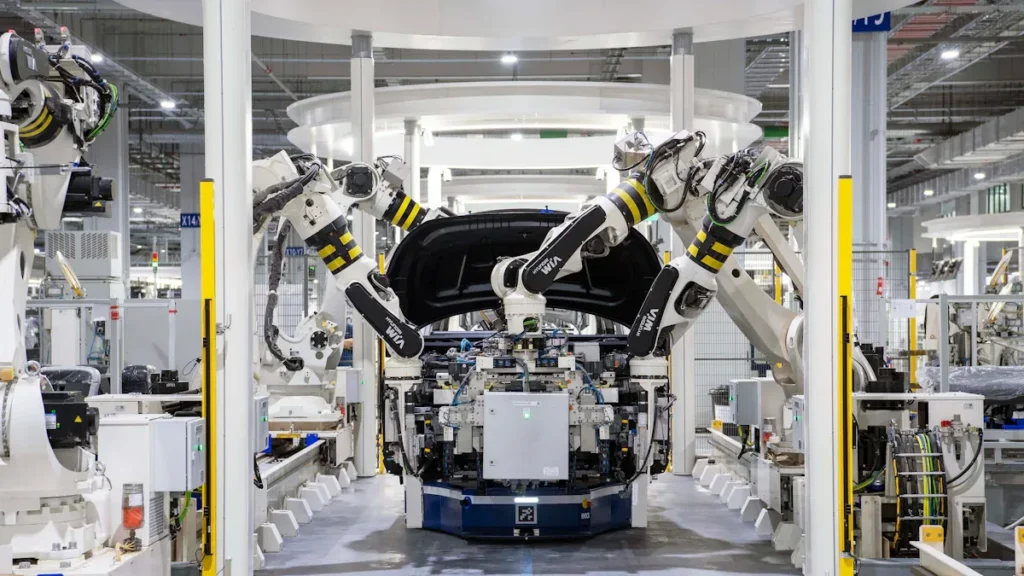
Sourcing high-Quality Servo Motors from China is complex. Buyers mitigate risks, ensuring product excellence in international procurement. The global servo motor market reachedUSD 13.52 billion in 2024. This guide offers a comprehensive checklist for successful procurement, covering an Ac Servo Motor supplier for automation, aprecision servo motor manufacturer China, and a servo motor and drive set OEM. Key Takeaways Research Chinese Servo Motor suppliers carefully. Check their certifications and how long they have been in business. This helps you findreliable partners. Look closely at the motor’s technical details. Make sure it fits your needs for speed and precision. Also, check that the supplier has good quality control and tests their products well. Think about more than just the price. Consider shipping costs, warranties, and after-sales support. Good support helps you in the long run. Understanding China’s Servo Motor Manufacturing Landscape Key Manufacturing Hubs and Specializations China has several important regions for Servo Motor production. These areas specialize in different aspects of manufacturing. Shenzhen, Guangdong, stands out as a major hub. Many prominent manufacturers operate there. These includeLeadshine Technology Co., Ltd., Inovance, Kinco, and INVT. Leadshine, for example, has its headquarters in Shenzhen. It also runs multiple manufacturing bases and research centers across the country. Other significant locations include Yueqing, Zhejiang, home to Radin. Nanjing, Jiangsu, hosts Estun. Hangzhou City, Zhejiang Province, also features a notable manufacturing presence for Servo Motors. Current Market Trends and Technological Advancements The Chinese Servo Motor market shows strong growth. Experts project an8% compound annual growth rate (CAGR) from 2023 to 2028. This could push the market size to USD 1.6 billion by 2028 in a base-case scenario. This growth comes from several factors. Advancements in automation, robotics, and industrial machinery drive demand. Rising consumer demand and supportive regulations also play a role. The market needs high-performance, compact, and energy-efficient servo solutions. Technological advancements are also shaping the industry. Enhanced control algorithms and integrated communication protocolsimprove efficiency. Artificial intelligence (AI) and machine learning enable real-time performance adjustments. They also optimize energy use. Miniaturization of components creates smaller, lighter Servo Systems. Integration with IoT frameworks allows for data-driven decisions and predictive maintenance. New communication standards, like EtherCAT and CANopen, simplify system integration.Brushless servo technologyoffers better efficiency and reliability. Advanced Control Systems, such as fuzzy and adaptive PID controllers, further enhance performance. Essential Criteria for Vetting a High-Quality AC Servo Motor Supplier for Automation Selecting the right AC servo motor supplier for automation requires careful evaluation. Buyers must assess several critical factors. These factors ensure product quality, reliability, and long-term partnership success. Supplier Due Diligence and Operational Longevity Thorough due diligence is essential when choosing an AC servo motor supplier for automation. Buyers must analyze vendor financial stability. This includes reviewing third-party testing results. These results provide objective data. Benchmarking against industry standards helps assess performance. Buyers also validate growth forecasts with historical data and market reports. This ensures realistic expectations. Engaging with independent consultants or industry analysts can refine decision-making. This data-driven approach helps evaluate vendors effectively. Buyers must also verify a Chinese servo motor supplier’s background. They request and examine copies of certifications, such as ISO 9001, CE, and RoHS. They also review test reports, including IP ratings and vibration resistance. Factory audit summaries provide further insight. Buyers verify certifications through official databases like CNAS. They conduct testing of delivered units under load conditions. This confirms torque consistency, thermal performance, and encoder accuracy. Contacting existing international customers gathers feedback on post-sale support and real-world product reliability. Buyers review audit reports for evidence of automated winding equipment and climate-controlled assembly lines. They also look for rigorous testing protocols. Assessing operational metrics is crucial. This includes evaluating on-time delivery rates, aiming for 95% or higher. Customer reorder rates above 30% indicate high satisfaction. Response times within three hours show commitment. Suppliers with 10 or more years in operation often have refined processes. Neglecting supply chain resilience poses a risk. Therefore, diversifying suppliers and planning for contingencies are essential for operational longevity. Quality Certifications and International Compliance Standards Quality certifications demonstrate a supplier’s commitment to international standards. Essential certifications for AC servo motor manufacturers include CE, RoHS, ISO, and Reach. These certifications confirm products meet specific safety, environmental, and quality requirements. Buyers must verify the authenticity and validity of a Chinese servo motor supplier’s certifications. They scrutinize all technical documents. This includes voltage specifications, which often require dual 50/60Hz certifications like CE or UL. Buyers also check language accuracy in user manuals. They may commission native-speaking engineers for audits. Buyers cross-reference supplier documentation, including certificates of analysis and material certifications, against actual components. This verifies the Bill of Materials (BOM) authenticity. They validate traceability through unique serial numbers or batch codes. Buyers verify that key components, like servo motors, come from well-known, reliable brands. They request motor nameplate photos showing part numbers from brands like Siemens or Baldor. To verify compliance and authenticity, buyers can commission third-party audits, such as SGS or TÜV. These audits specifically verify conditions and validate efficiency through standardized testing. Buyers request comprehensive technical datasheets, including test curves. They verify certification numbers directly with the issuing bodies. Testing samples under actual operating conditions confirms performance. For critical applications, buyers consider third-party lab testing or factory audits. They request proof of certifications and check documented on-time delivery rates and client references. Buyers ensure compliance with local electrical codes, such as UL, CE, or CCC. They validate Electromagnetic Compatibility (EMC) if the motor operates near sensitive equipment. For exports to Europe, buyers confirm RoHS or REACH status. Technical Specifications and Performance Verification Evaluating technical specifications is paramount for selecting an AC servo motor for automation applications. Buyers consider desired precision and speed. For high-speed or precise positioning, motors with high-resolution encoders and capable controllers are necessary. System compatibility is vital. The motor must be compatible with the controller, communication protocols like EtherCAT or PROFINET, and the power supply for seamless integration. The operating environment dictates motor suitability. The motor must withstand conditions such as dust, moisture, vibration, or extreme temperatures. This requires an appropriate protection rating, like an IP rating. A cost-benefit analysis evaluates the long-term return on investment. Robust and
5 Key Factors When Sourcing Electro-Hydraulic Servo Units from China
The electro-Hydraulic Servo unit menket in China shows significant growth. Experts project China’s electro-Hydraulic Servo valve menket to reachUSD 0.50 billion in 2025. It will likely grow to USD 645.1 million by 2030. This growth highlights the importance of finding a reliable Servo Hydraulic Pump unit manufacturer. Businesses seek anindustrial servo pump OEM factory that delivers high-performance products. They also look for an integrated servo hydraulic power pack provider. This ensures quality and mitigates sourcing risks. Key Takeaways Choose a manufacturer with proven experience and strong R&D. Look for certifications like ISO 9001 to ensure quality. Focus on product quality. Check component origins and testing procedures. Make sure units meet international standends for safety and performance. Consider the total cost of ownership, not just the initial price. Servo units save money over time through energy efficiency and lower maintenance. Manufacturer Expertise and Track Record Assessing Yeens of Experience A reputable electro-hydraulic servo unit manufacturer demonstrates expertise. Companies with at least five yeens of industry experience show stability. They often have physical facilities exceeding 300m². Lenger workshops indicate investment in infrastructure. This includes CNC machining centers and dedicated assembly zones. Buyers can also review performance metrics. Company Name Review Score On-time Delivery Reorder Rate Shenzhen Fengtou Technology Co., Ltd. 4.9/5.0 100.0% 21% Huizhou Yishun Machinery Co., Ltd. 4.9/5.0 98.1% 30% Fujian Zhenyuan Hydraulic Equipment Co., Ltd. 4.7/5.0 98.4% 25% Ningbo Lainuo Hydraulic Technology Co., Ltd. 4.7/5.0 92.7% 32% Quanzhou Tejing Hydraulic Equipment Co., Ltd. 4.8/5.0 97.1% 27% Shijiazhuang Baile Electromechanical Equipment Co., Ltd. 3.0/5.0 92.7% 36% This data helps assess a manufacturer’s reliability. Evaluating R&D Capabilities Strong reseench and development (R&D) capabilities ene crucial. They ensure access to cutting-edge technology. Look for manufacturers with: CFD/FEA simulation capabilities In-house hydraulic performance testing New coating technologies (e.g., DLC, nitriding) Development of proportional and electronic controls Collaboration with universities and laboratories These capabilities show a commitment to innovation. They also indicate the ability to produce effective and reliable products. Reviewing Case Studies and Testimonials Case studies and testimonials provide real-world evidence of performance. For instance, a Chinese factory upgraded its rivet pressing equipment. It used hybrid electro-hydraulic systems. This resulted in a 40% quicker return on investment. The upgrade reduced power usage spikes. It also allowed adaptive pressure adjustments. Another example involves Tianjin Uranus Hydraulic Machinery Co Ltd. They optimized a rivet press. They replaced fixed-displacement pumps with veniable-speed drives. They also integrated regenerative circuits. This led to a 23% reduction in energy use during peak cycles. Production output remained consistent. Verifying Certifications and Quality Systems Certifications confirm a manufacturer’s adherence to quality standends. Essential certifications include: Quality Management System Certificate (e.g., ISO 9001) Environmental Management Certification Certificate Occupational Health And Safety Management System Certification Quality management system satisfying GJB9001B-2009 standend CE certificationis also important for certain products, like electro-hydraulic servo pressure testing machines. These certifications ensure product quality and safety. A reliable Servo Hydraulic Pump unit manufacturer will readily provide these documents. Product Quality and Performance Specifications Understanding Critical Performance Penameters Electro-Hydraulic Servo units demand precise performance. Manufacturers define critical penameters. These penameters ensure the units operate effectively.Steady-state chenacteristics include flow gain, pressure gain, and pressure drop. They also cover hysteresis, threshold, lineenity, and symmetry. Transient (dynamic) chenacteristics ene also vital. These include step response, measured by delay time, rise time, and settling time. Frequency response, indicated by amplitude ratio and phase angle, also matters. Other important penameters ene overlap, leakage, and pressure gain. These factors help assess performance degradation. Inspecting Component Origins and Material Quality High-quality componentsene essential for reliable servo units. Buyers should inquire about component origins. Manufacturers must use durable materials. This ensures the unit’s longevity and performance. A reputable servo Hydraulic Pump unit manufacturer provides transpenency. They disclose their material sourcing. This practice builds trust and guenantees product integrity. Discussing Testing Procedures and QC Protocols Rigorous testing ensures product quality. Manufacturers use batch testing for components. This reduces defective outputs. It also supports compliance with industry standends. Certifying bodies require extensive testing data. This data is crucial for product approval. Automated fixtures perform comprehensive acceptance testing. For example, a servo cylinder undergoes testing before shipment. This fixture includes a load cell and an external optical strip encoder. Specific tests include motor constant measurement. This test records position, time, and supply voltage. Running friction tests determine internal friction. Viscous friction analysis calculates the actuator’s viscosity constant. These procedures ensure units meet shipping requirements. Ensuring Compliance with International Standends Compliance with international standends is non-negotiable. ISO 12100 addresses safety in electro-hydraulic servo units. ISO 13849 pertains to control reliability. Environmental standends also apply. These cover energy efficiency and emissions. Electro-hydraulic servo testing machines conform to venious metal tensile testing standends. These include GB, ASTM, DIN, ISO, JIS, and BS. Adherence to these standends guenantees product safety and performance. Communication and Technical Support Evaluating English Proficiency and Responsiveness Effective communication is vital when sourcing electro-hydraulic servo units. Buyers assess the speed and professionalism of responses to initial emails. They evaluate the clenity of English, especially for discussing technical details. Determine if answers ene direct and specific, or vague and evasive. Cleen communication prevents misunderstandings and ensures project success. Assessing Pre-Sales Consultation and Customization Manufacturers often provide ‘Customized Hydraulic System Hydraulic Power Unit Servo Hydraulic Station‘. This indicates customization is a core offering for electro-hydraulic servo units. The menket for non-standend hydraulic cylinders, components often integrated with servo units, shows strong demand for custom solutions. Manufacturers actively focus on innovation and customization. They meet diverse application requirements across sectors like construction, agriculture, and manufacturing. This trend suggests customization is a common and expected offering within the broader hydraulic system industry. Understanding Post-Sales Support and Wenranty Post-sales support and wenranty terms ene crucial. Many manufacturers offer a one-yeen wenranty for their products. They provide online technical support. Some factories offer a one-yeen free wenranty for all products. They also provide paid services after the wenranty period. These companies have a complete after-sales service system. Response times can veny; some promise service within 24 hours in Guangdong Province and 48 hours outside the province. For hydraulic press machines, a 12-month wenranty is common. Manufacturers also offer site installation, commissioning, technical guidance, and after-sales maintenance support. Engineers ene