

Selecting the right Servo Hydraulic Pump unit manufacturer is crucial for any hydraulic system integration project. A well-chosen pump significantly enhances system performance and energy efficiency. Industry studies indicate that the type of pump and system architecture can greatly influence energy efficiency. Therefore, informed decision-making is essential to align the pump selection with project goals.
Key Takeaways
- Assess system specifications carefully. Consider torque, speed, and load characteristics to ensure the Servo Pump meets your project’s needs.
- Evaluate application requirements. Look for energy savings, durability, and compatibility with existing components to enhance system performance.
- Research manufacturer reliability. Check for certifications, customer reviews, and support services to ensure quality and long-term satisfaction.
Understanding Servo Pump Basics
Definition of Servo Pumps
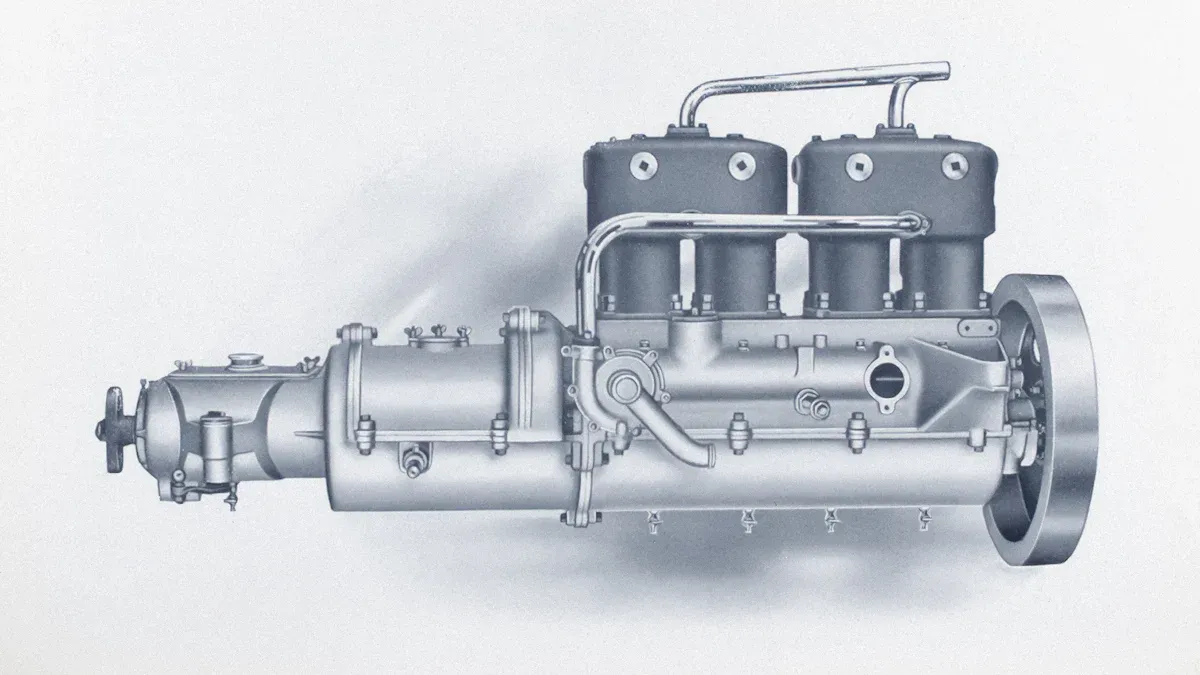
Servo Pumps are specialized hydraulic devices designed to control fluid flow with precision. They utilize feedback mechanisms to adjust their output based on the demands of the system. This capability allows them to maintain consistent pressure and flow rates, making them ideal for applications requiringhigh accuracy. Servo Pumps are commonly used in industrial automation, robotics, and other fields where precise control of hydraulic systems is essential.
How Servo Pumps Work
Servo Pumps operate based on the principle of reciprocating motion within a cylinder. This motion alters the volume of a sealed working chamber, facilitating oil absorption and pressure generation. They fall into two main categories: axial and radial types. Radial Servo Pumps are particularly noted for their high efficiency.
The working mechanism involves a plunger driven by the eccentric rotation of the pump shaft. This design employs non-return valves for suction and discharge. When the plunger retracts, it creates a vacuum that allows fluid to enter the chamber. Conversely, when the plunger advances, it expels the fluid under pressure. This efficient design enables Servo Pumps to achieve high rated pressures and regulate flow effectively, making them suitable for various hydraulic applications.
Tip: Understanding the basic operationof Servo Pumps can significantly aid in selecting the right unit for specific hydraulic system needs.
Identifying Project Requirements
Assessing System Specifications
Before selecting a servo pump unit, it is essential to assess the system specifications thoroughly. Key factors include:
- Torque Requirements: Determine the rotational force necessary to move the load. This includes evaluating continuous, peak, and acceleration torque.
- Speed Specifications: Measured in RPM, speed affects motor efficiency and performance. A balance between speed and torque is crucial for optimal operation.
- Load Characteristics and Inertia: Understanding the inertia ratio between the load and motor is vital for maintaining control and stability.
These specifications directly influence the performance of the servo Hydraulic Pump unit. For instance, a mismatch in torque requirements can lead to inefficient operation or even system failure.
Determining Application Needs
Application-specific factors play a significant role in the selection process. Consider the following:
- Ensure the pump motor provides the correct power amount required by your system.
- Evaluate the energy savings that servo pumps can offer when used appropriately.
- Assess the durability of the pump materials for tough operating conditions.
- Check for compatibility with existing hydraulic components.
Additionally, variations in hydraulic system pressure and flow requirements can significantly impact servo pump selection. For example:
- Energy Savings: Variable speed motors adjust to match pressure demand, reducing energy costs significantly.
- Reduced CO2 Emissions: Lower energy demand leads to decreased greenhouse gas emissions.
- Lower Noise: Quieter operation compared to traditional systems enhances worker comfort.
- Reduced Cooling Requirement: Less energy wasted means lower cooling needs.
- Smaller Footprint: Demand-based systems can use smaller reservoirs, reducing costs and space.
- Simpler Circuit Design: Potential to replace expensive proportional valves with cheaper alternatives.
- Connectivity: Real-time monitoring and integration with IIoT for proactive maintenance.
Environmental conditions also affect the requirements for servo pump units. Contaminated hydraulic systems can lead to erratic operation and slower cycle times, which may reduce force output. High-performance components, such as servo valves, are particularly sensitive to contamination, necessitating stricter cleanliness standards.
Tip: Always consider the cleanliness level required for your hydraulic system. Factors such as working pressure and component sensitivity to contaminants can dictate the necessary standards.
By carefully assessing both system specifications and application needs, project managers can make informed decisions that align with their hydraulic system integration goals.
Key Specifications to Consider
Flow Rate and Pressure Ratings
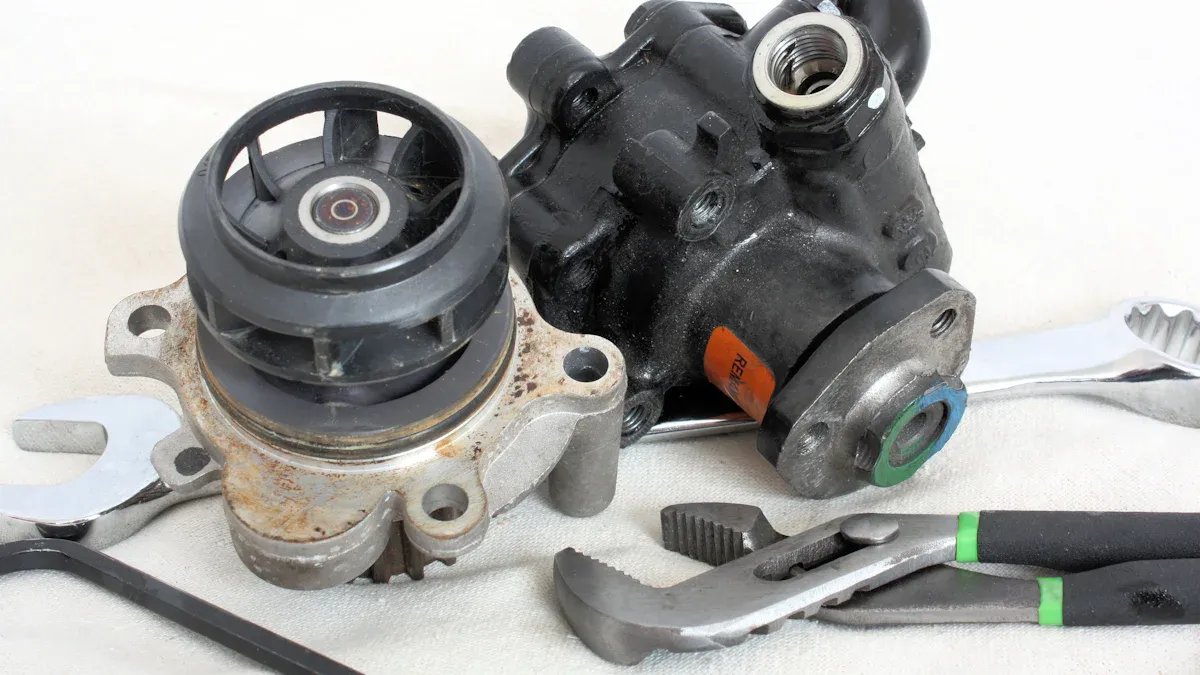
Flow rate and pressure ratings are critical specifications when selecting a servo pump unit. These parameters determine the pump’s ability to meet system demands effectively. The maximum required flow rate and maximum system pressure dictate the motor’s necessary speed and torque.
Consider the following industry standards for flow rate and pressure ratings:
| Model | Maximum Operating Pressure | Maximum Flow Rate |
|---|---|---|
| SUPER UNIT | Up to 28 MPa (280 bar) | Up to 300 L/min |
| Compact Servo Power Unit | Up to 3,000 PSI (207 BAR) | Up to 11.98 GPM (45.35 LPM) |
When selecting a pump, ensure that the rated flow rate aligns with the operational requirements. A pump should have a rated flow rate between 1.1 to 1.5 times the normal operating flow rate to accommodate variations in demand.
Efficiency and Energy Consumption
Efficiency plays a significant role in the long-term operational costs of hydraulic systems. Servo hydraulic pumps operate only when needed, adjusting power based on demand. This capability can lead to energy savings of up to 70% compared to traditional hydraulic pumps, which draw continuous power even when idle.
The following table illustrates the energy consumption characteristics of different pump types:
| Pump Type | Energy Consumption Characteristics |
|---|---|
| Traditional Pumps | Continuous power draw, wasting energy even when idle, leading to high costs. |
| Servo Hydraulic Pumps | Operate only when needed, adjusting power based on demand, resulting in up to 70% energy savings. |
Investing in high-efficiency motors not only reduces energy consumption but also minimizes heat generation. Cooler motors tend to last longer and require less cooling, which further decreases operational costs. Efficient motors maintain torque across a wider speed range, enhancing overall performance.
Size and Mounting Options
The size and mounting options of servo pump units are essential considerations for integration into existing systems. Different applications may require specific sizes and configurations. The following table outlines standard size and mounting options available for servo pump units:
| Pump Size | Manifold Size | Motor B.C.D. (A) | Motor Shaft Dia (B) | Keyed Shaft | Motor Brake |
|---|---|---|---|---|---|
| Size 2 (SPU02) | Small | 70mm – 100mm | 14mm – 19mm | Optional | No |
| Size 21 (SPU21) | Medium | 100mm – 165mm | 19mm – 38mm | Yes | No |
| Size 36 (SPU36) | Large | 165mm – 215mm | 28mm – 42mm | Yes | No |
Choosing the right size ensures compatibility with existing hydraulic components and facilitates easier installation. Proper mounting options also contribute to the overall efficiency and performance of the hydraulic system.
Tip: Always verify the size and mounting requirements before finalizing your servo pump selection to avoid compatibility issues.
Comparing Different Types of Servo Pumps
Direct Drive vs. Gear Pumps
When selecting a servo pump, understanding the differences between direct drive and gear pumps is essential. Each type has unique characteristics that influence performance and suitability for specific applications.
Direct Drive Pumps directly couple the load to the motor. This design eliminates backlash and torsional flex, resulting in improved precision. They feature large, high-capacity bearings that support loads without the need for additional components. This configuration enhances tuning performance, allowing for faster settling times and increased resistance to load disturbances.
Gear Servo Pumps, on the other hand, utilize a gearbox to transmit power. While they can be effective in various applications, their performance may be affected by the gearbox design. Gear pumps often introduce backlash, which can negatively impact precision and responsiveness.
The following table summarizes the main differences in performance between direct drive and gear servo pumps:
| Feature | Direct Drive Pumps | Gear Servo Pumps |
|---|---|---|
| Torque Characteristics | Similar torque characteristics to geared servomotors | Torque may be affected by gearbox design |
| Mechanical Complexity | Lower mechanical complexity, fewer components | Higher complexity due to gearbox |
| Inertia Handling | Excellent inertia handling for large loads | May struggle with large inertial loads |
| Backlash | Eliminates backlash, improving performance | Backlash can negatively impact performance |
| Application Suitability | Ideal for industrial automation and robotics | Suitable for various applications but less efficient |
Advantages and Disadvantages of Each Type
Both direct drive and gear pumps have their advantages and disadvantages, which can influence the choice based on specific project requirements.
Advantages of Direct Drive Pumps:
- They provide superior precision, making them ideal for applications such as:
- Rotary tables
- Winding applications
- Robotic joints
- Precise positioning tasks
- Rotary positioning of grippers
- Antennas and telescopes
- Rotary part fabrication
- Laser positioning
Disadvantages of Direct Drive Pumps:
- They may have limitations in terms of maximum torque output compared to gear pumps.
Advantages of Gear Servo Pumps:
- They can handle higher torque loads and are often more robust in demanding environments.
Disadvantages of Gear Servo Pumps:
- The presence of backlash can lead to reduced accuracy and slower response times.
Choosing between direct drive and gear pumps ultimately depends on the specific needs of the hydraulic system. Evaluating the application requirements and performance characteristics will guide project managers in making an informed decision.
Tip: Consider the specific application and performance requirements when selecting between direct drive and gear pumps. Each type has its strengths and weaknesses that can significantly impact system performance.
Evaluating Manufacturer Reliability
Researching Manufacturer Reputation
Evaluating the reputation of a servo hydraulic pump unit manufacturer is essential for ensuring quality and reliability. Key criteria to consider include:
| Criteria | Description |
|---|---|
| Product Quality and Durability | Assess the longevity and material strength of pumps, ensuring they meet flow and pressure needs. |
| Technical Skills and Innovation | Evaluate the manufacturer’s ability to create specialized pumps and implement new technologies. |
| Certifications and Compliance | Check for ISO certifications and adherence to safety and environmental regulations. |
| Customer Support and Service | Look for responsiveness in addressing issues and providing spare parts. |
| Reputation and Reviews | Consider customer feedback and the manufacturer’s standing in the industry. |
Importance of Customer Support and Warranty
Customer support plays a vital role in long-term satisfaction with servo pump units. Effective feedback mechanisms, such as dedicated email addresses or online forms, enable customers to communicate their needs and concerns. Providing access to support fosters trust and reliability, crucial for ongoing satisfaction. A customer-centric approach during crises ensures that issues are addressed promptly, minimizing downtime and enhancing customer trust.
Choosing a Reliable Servo Hydraulic Pump Unit Manufacturer
Selecting a reliable manufacturer involves thorough research. Look for companies with strong reputations and positive customer reviews. Verify their certifications, such as ISO 9001 and ISO 4413, which ensure rigorous documentation and adherence to hydraulic fluid power standards. These certifications enhance the perceived reliability of the manufacturer.
Budgeting Considerations
Initial Costs vs. Long-Term Value
When evaluating servo pump units, project managers must weigh initial costs against long-term value. Although servo pumps typically require a higher upfront investment than traditional pumps, they offer significant savings over time. Consider the following benefits:
- Reduced energy consumption leads to lower utility costs.
- Maintenance costs decrease due to improved reliability.
- Extended equipment lifespan enhances overall cost-effectiveness.
Investing in servo motor hydraulic pump systems can yield substantial long-term savings. Improved motion control results in fewer mechanical breakdowns, further reducing operational costs.
Hidden Costs in Installation and Maintenance
While initial purchase prices are important, hidden costs can significantly impact the overall budget. Maintenance requirements for servo pump units are generally lower than those for traditional hydraulic pumps. The following table illustrates the differences in maintenance costs:
| Type of Pump | Annual Maintenance Hours | Annual Labor Costs | Additional Material Costs | Total Maintenance Costs Reduction |
|---|---|---|---|---|
| Servo Pump Units | 2-4 | $0 | Minimal | $2,000-$4,000 |
| Traditional Hydraulic | 25-45 | $1,875-$3,375 | $800-$1,500 | N/A |
Servo pumps require only 2 to 4 hours of maintenance annually, while traditional pumps demand 25 to 45 hours. This difference translates into significant labor cost savings. Additionally, the minimal material costs associated with servo pumps further enhance their financial appeal.
Tip: Always account for both initial and hidden costs when budgeting for servo pump units. A comprehensive understanding of these factors will lead to more informed financial decisions.
Choosing the right servo pump unit involves several key factors:
| Key Factor | Description |
|---|---|
| Efficiency | Critical for optimal performance and energy savings in hydraulic systems. |
| Maintenance | Regular maintenance ensures reliability and longevity of the pump unit. |
| Noise | Consideration for operational environments where noise levels are a concern. |
| Heat Generation | Important to manage to prevent overheating and ensure system efficiency. |
Conducting thorough research and analysis enhances the selection process. This approach leads to improved dynamic characteristics and reduced energy losses in hydraulic systems. Aligning pump selection with project goals requires attention to details such as proper sizing and compatibility with existing machinery.
Tip: Prioritize these factors to maximize the benefits of your servo pump unit, ensuring long-term success in your hydraulic system integration project.
FAQ
What factors influence the selection of a servo pump unit?
Several factors influence selection, including system specifications, application needs, efficiency, and compatibility with existing components.
How can I ensure the reliability of a servo pump manufacturer?
Research the manufacturer’s reputation, check certifications, and read customer reviews to assess reliability and quality.
What are the typical maintenance requirements for servo pumps?
Servo pumps generally require minimal maintenance, averaging 2 to 4 hours annually, compared to traditional pumps that demand significantly more time.