
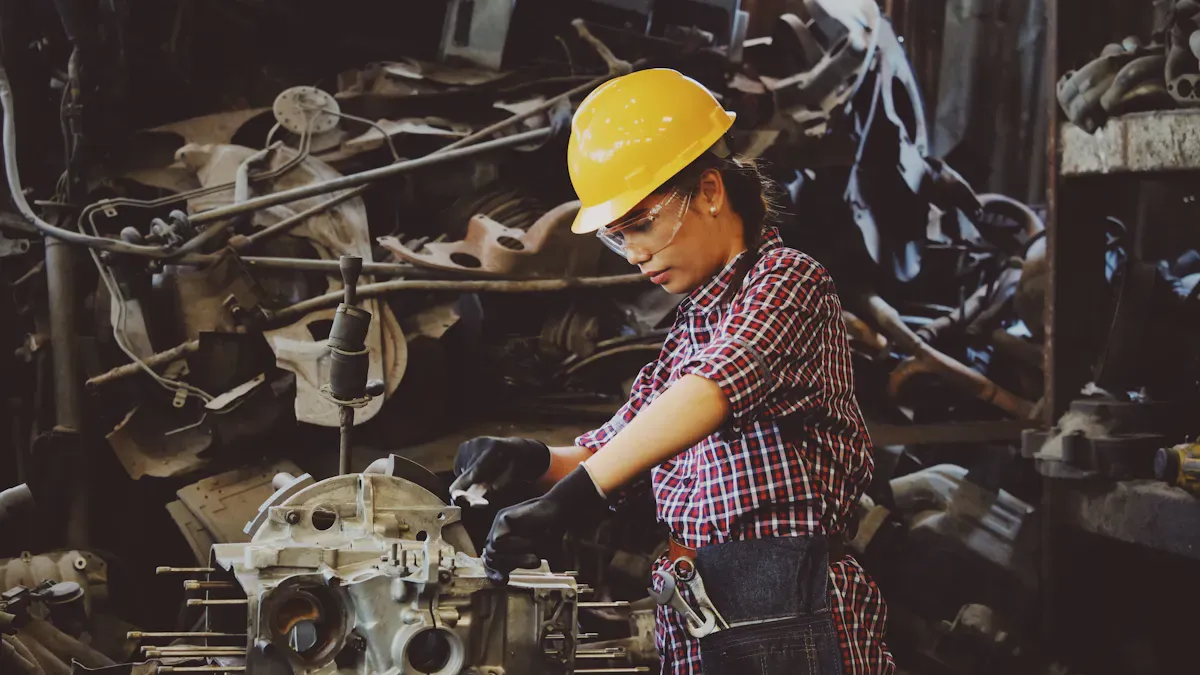
Effective gearbox maintenance plays a critical role in preventing equipment failures in injection molding machinery, especially when sourced from a reliable injection molding machine gearbox supplier. Regular inspections can identify potential issues early, preventing them from escalating. Proper lubrication ensures smooth operation, reduces friction-related damage, and enhances overall efficiency, which is vital for a planetary reducer for IMM manufacturer. Additionally, integrating a direct drive servo motor for injection can further improve the machinery’s performance. These practices contribute significantly to the machinery’s lifespan and operational performance.
Key Takeaways
- Regular inspections of gearboxes are crucial. Check gear tooth surfaces and lubricant quality to catch issues early.
- Proper lubrication is essential for gearbox longevity. Use recommended lubricants to reduce friction and prevent wear.
- Implement temperature and vibration monitoring to detect potential failures before they escalate, saving time and costs.
Regular Inspection Practices
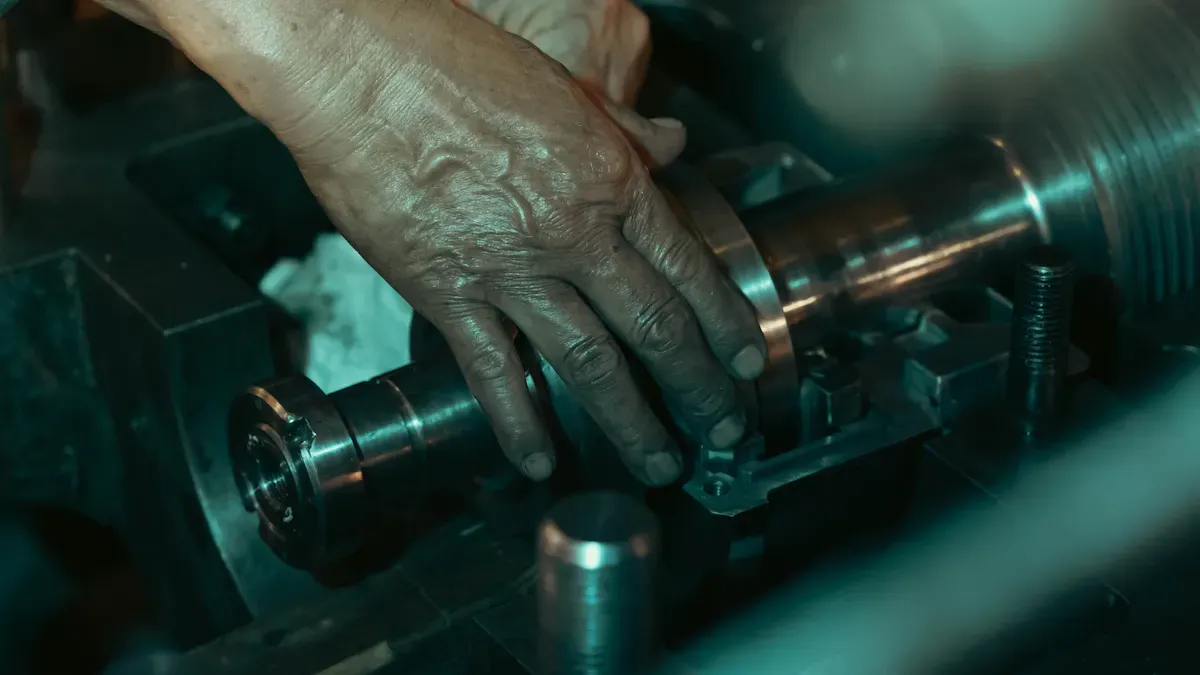
Regular inspections of gearboxes in injection molding equipment are essential for maintaining optimal performance and preventing costly failures. Manufacturer guidelines recommend inspecting gearboxes at regular intervals. This includes checking the condition of gear tooth surfaces and assessing lubricant quality. Recording these inspections helps monitor wear and oil condition over time, ensuring timely maintenance.
Effective inspection methods play a crucial role in detecting early signs of gearbox wear. Vibration analysis and wear debris monitoring are among the most effective techniques. Vibration analysis relies on sensors and signal amplifiers to detect anomalies in gearbox operation. Meanwhile, wear debris monitoring evaluates machine condition by analyzing tiny wear particles within the oil system. This method can be performed off-line or on-line. Off-line techniques, such as ferrography, provide detailed insights but can be time-consuming. On-line methods, like visual ferrography, offer efficiency and require less manual intervention, making them increasingly popular.
Integrating predictive maintenance technologies into regular inspection practices enhances the effectiveness of these inspections. Condition-based monitoring utilizes vibration, thermal, oil, and ultrasonic data to detect faults before they lead to functional failures. This proactive approach allows maintenance to be scheduled during planned downtimes, minimizing disruptions. By correlating equipment health with quality data, manufacturers can prioritize maintenance actions based on their impact on product quality.
Incorporating these regular inspection practices ensures that injection molding machinery operates smoothly and efficiently, ultimately extending the lifespan of the gearbox.
Lubrication Techniques
Proper lubrication is vital for the longevity and efficiency of gearboxes in injection molding equipment. It reduces friction, minimizes wear, and protects against damage. Here are some key lubrication techniques to consider:
- Recommended Lubricants:
- Use Extreme Pressure (EP) Gear Oil, AGMA grade 4 or 5.
- This lubricant type provides:
- Strong load-carrying capacity.
- Protection against shock loads.
- Resistance to pitting and scoring damage.
- Typical applications include:
- Gearboxes in extruder drives.
- Gears involved in mold movement.
- Chain drives or lifting systems.
Improper lubrication can lead to significant issues. The table below outlines the impact of lubrication problems on gearbox failure rates:
| Evidence Description | Impact on Gearbox Failure Rates |
|---|---|
| Frequent breakdowns disrupt production and lead to costly repairs. | Increases failure rates due to operational interruptions. |
| Extended lubrication problems significantly reduce machine lifespan. | Causes premature wear and tear, leading to more failures. |
| Inconsistencies in product quality may indicate lubrication issues. | Poor lubrication can lead to gearbox strain and failure. |
| Unusual noises or vibrations during operation signal lubrication problems. | Increased friction can accelerate gearbox wear and failure. |
To maintain optimal performance, lubrication should occur regularly. Here are some best practices:
- Conduct routine inspections of moving parts weekly.
- Check for oil spills and assess the condition of connectors.
- Inspect the tightness of screws and oil pipes weekly.
Investing in premium lubricants may have higher upfront costs, but they often lead to longer service life and reduced maintenance frequency. The table below compares premium and standard lubricants:
| Aspect | Premium Lubricants | Standard Lubricants |
|---|---|---|
| Upfront Cost | Higher | Lower |
| Service Life | Longer | Shorter |
| Breakdown Frequency | Fewer | More |
| Maintenance Frequency | Reduced | Increased |
| Energy Savings | 5-15% reduction in energy costs | N/A |
| Equipment Lifespan | Extended | N/A |
| Environmental Impact | Lower waste and emissions | N/A |
Temperature and Vibration Monitoring
Temperature and vibration monitoring are essential practices for maintaining the health of gearboxes in injection molding equipment. These techniques help identify potential issues before they escalate into costly failures.
- Temperature Monitoring:
- High temperatures can indicate excessive friction or inadequate lubrication.
- Regularly checking temperature levels ensures that gearboxes operate within safe limits.
- Vibration Monitoring:
- This technique detects misalignment, looseness, and imbalance, which are critical for predicting gearbox failures.
- For instance, a plastics manufacturing plant saved approximately $1.2 million by preventing a single gearbox failure, avoiding 1,200 hours of downtime.
- Similarly, a coal mine detected changes in velocity and acceleration signatures two months before a bearing failure, allowing for timely repairs and saving $250,000.
Excessive vibration correlates with specific gearbox component failures. A rise in 1× rotational frequency during spectral analysis often signals imbalance. Shifts in resonant frequencies or high-frequency noise can indicate looseness or structural fatigue. Additionally, axial vibration trends may reveal drift that leads to uneven wall thickness or flashing.
Seal and Breather Maintenance
Maintaining seals and breathers in gearboxes is crucial for optimal performance in injection molding equipment. Seals prevent lubricant leakage and protect against contaminants. Breathable vents allow for pressure equalization, which is essential for preventing moisture buildup. Neglecting these components can lead to severe gearbox issues.
Key Maintenance Practices:
- Regular Inspection:
- Inspect seals for wear, cracks, or deformation.
- Check breathers for blockages or damage.
- Replacement Schedule:
- Replace seals and breathers according to manufacturer recommendations.
- Consider environmental factors that may accelerate wear.
- Cleaning:
- Clean breathers regularly to ensure proper airflow.
- Use appropriate solvents to avoid damaging seals.
Consequences of Poor Maintenance:
| Issue | Impact on Gearbox Performance |
|---|---|
| Seal Failure | Leads to lubricant leaks and contamination. |
| Blocked Breathers | Causes pressure buildup, risking seal failure. |
| Contaminated Lubricant | Accelerates wear and reduces efficiency. |
Cleanliness and Environmental Control
Maintaining cleanliness and controlling the environment in injection molding facilities are vital for gearbox performance. Contaminants can lead to premature wear and failures. Therefore, manufacturers must prioritize cleanliness in their operations.
Key Environmental Factors:
| Environmental Factor | Impact on Gearbox Cleanliness |
|---|---|
| Temperature | Fluctuations can affect cooling rates, leading to inconsistent shrinkage and potential contamination. |
| Humidity | Excessive moisture can lead to corrosion, affecting the cleanliness of gearboxes. |
| Cleanliness | A clean environment reduces the risk of contamination, which is crucial for gearbox maintenance. |
Implementing effective cleaning protocols is essential, especially in environments with high particulate levels. Recommended steps include:
- Mechanical Cleaning: Remove adhering machining fluid.
- Immersion Flooding: Inject water at high pressure to create a whirlpool effect, cleaning hollow spaces.
- High-Pressure Cleaning: Ensure thorough removal of contaminants.
- Drying Process: Complete the cleaning to prevent moisture-related issues.
Gear Wear and Overloading Prevention
Preventing gear wear and overloading is essential for maintaining the efficiency of injection molding machine gearboxes. Gear wear is a common failure mode that affects transmission error, noise, vibration, and harshness (NVH). In advanced stages, wear can lead to complete gear failure. Key indicators of gear wear include:
- Changes in rolling-sliding ratios.
- Load sharing influenced by contact ratio increases.
- Variations in friction direction.
Reliable predictions of gear wear often come from gear-on-gear tests, which depend on the material combinations used. Research indicates that plastic gears exhibit specific wear behaviors influenced by design parameters and loading conditions. Therefore, in situ measurement techniques are crucial for accurately assessing gear wear under variable load conditions.
To prevent overloading, advanced monitoring systemsplay a vital role. These systems continuously assess the health and performance of Injection Molding Machines. They help detect early signs of potential failures, allowing for timely maintenance actions. The table below outlines key parameters monitored to prevent overloading:
| Parameter | Example Value | Implication |
|---|---|---|
| Torque | Anomalies detected | Indicates potential tool breakage |
| Load | Increased load | Suggests tooling wear |
| Bearing Wear | Vibration frequency | Identifies failing bearings |
Documentation and Professional Maintenance Programs
Effective documentation and professional maintenance programs significantly enhance gearbox reliability in injection molding facilities. These programs provide structured approaches to monitor and maintain equipment, ensuring optimal performance and longevity.
A well-documented maintenance program includes regular inspections and detailed records of all maintenance activities. This documentation allows technicians to track the history of repairs and identify recurring issues. By analyzing this data, they can make informed decisions about necessary upgrades or replacements.
Professional maintenance programs typically follow a systematic approach. The first step involves inspecting the current state of equipment for issues like oil leaks and overheating. Next, technicians conduct physical inspections of the pump group and electrical connections for damage or wear. Listening for abnormal noises can also indicate potential problems, such as decompression issues. Finally, checking hydraulic manifolds and being vigilant for oil leaks ensures that any emerging problems are addressed promptly.
Choosing an Injection Molding Machine Gearbox Supplier
Selecting the right injection molding machine gearbox supplier is crucial for ensuring optimal performance and reliability. Manufacturers should evaluate potential suppliers based on several key criteria. These criteria help ensure that the chosen gearbox meets operational demands and enhances overall efficiency.
| Criteria | Description |
|---|---|
| Torque Requirements | Ensure the gearbox can handle the peak and continuous torque demands. |
| Speed and RPM | Match the input/output speed ratios to the machine’s operational needs. |
| Efficiency | High-efficiency gearboxes reduce energy consumption and heat buildup. |
| Motor Compatibility | Verify shaft dimensions and coupling compatibility with the existing motor. |
| Duty Cycle | Consider the application type: continuous, intermittent, or high-impact. |
| Environmental Conditions | Account for exposure to dust, moisture, or temperature extremes. |
Regular maintenance practices for gearboxes are essential for optimal performance in injection molding equipment. These practices extend service life, prevent unplanned downtime, and reduce the risk of sudden failures. Key actions include proper lubrication, monitoring conditions, and timely repairs. Manufacturers should prioritize these best practices to enhance reliability and efficiency, ultimately lowering total ownership costs. By doing so, they can ensure their equipment operates safely and effectively.
FAQ
What is the importance of regular gearbox maintenance?Regular gearbox maintenance prevents equipment failures, enhances efficiency, and extends the lifespan of injection molding machinery.
How often should I inspect my gearbox?Inspect gearboxes at least once a month or according to the manufacturer’s recommendations for optimal performance.
What are common signs of gearbox issues?Common signs include unusual noises, excessive vibrations, overheating, and lubricant leaks. Address these issues promptly to avoid failures.